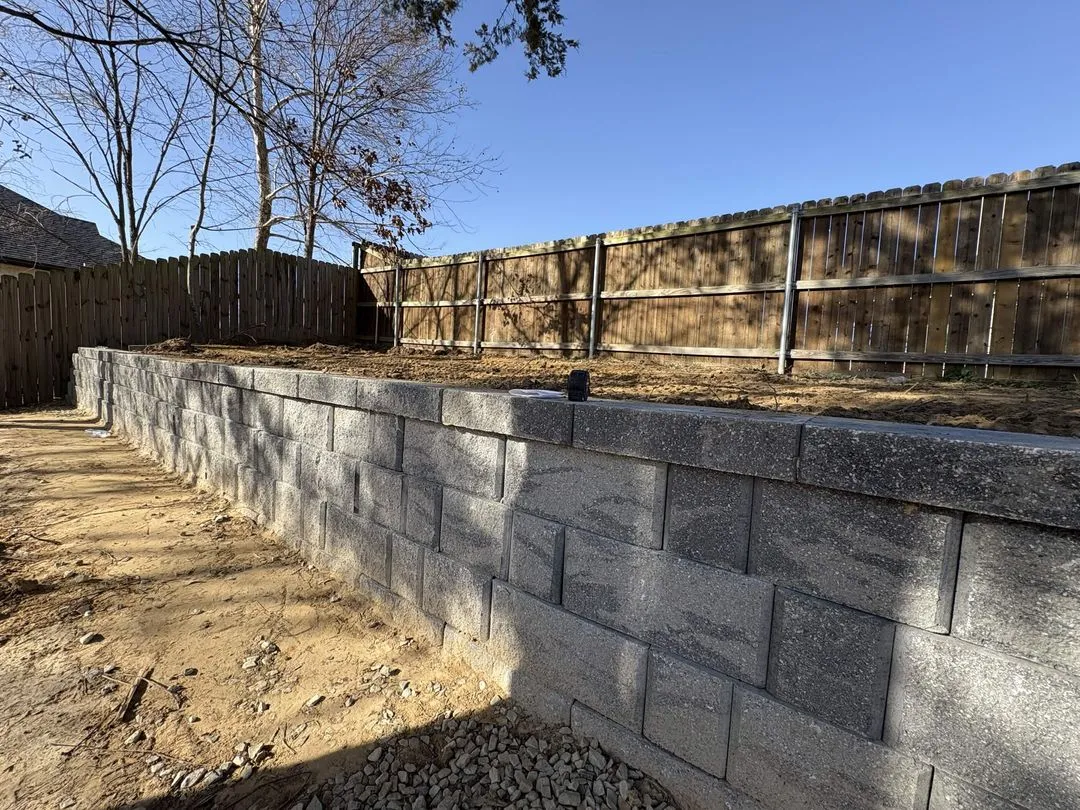
A garden does not always need a flat yard to look attractive or function well. Sloped properties can offer opportunities for raised planting areas, terraces, paths, and layered garden designs. The challenge comes when soil moves downhill or rainwater cuts channels through the landscape. Retaining walls can help organize those changes in elevation while providing support for planting areas and other outdoor features. However, a successful wall requires careful attention to drainage, foundation preparation, material selection, and the amount of soil it must support. Homeowners who plan these details before construction can create a structure that complements the garden instead of becoming a constant maintenance concern.
Retaining Walls Tyler TX for Garden Terraces
Many homeowners consider retaining walls Tyler tx when they want to turn a sloped yard into several more manageable garden levels. A terraced design can create separate areas for flowers, shrubs, herbs, trees, or decorative groundcover. Each level can have its own purpose while the wall helps hold the soil at the desired elevation. The design should account for water movement between the levels because every terrace changes the way rainfall travels across the property. Proper drainage behind each wall protects the structure and reduces the chance of soil becoming saturated. When the walls, plants, paths, and drainage features work together, the garden can feel more organized without looking overly constructed.
How Terracing Changes a Sloped Yard
A steep slope often limits how homeowners use their property. Mowing can become difficult, planting may require extra effort, and heavy rain can carry soil downhill. Terracing divides that slope into smaller sections. Instead of one long incline, the property gains a series of relatively level areas connected by steps, paths, or gentle transitions. This arrangement can also make it easier to separate different planting zones. For example, homeowners might place low-maintenance shrubs on one terrace and seasonal flowers on another. The design should remain practical, however, because narrow or poorly connected terraces can create more maintenance work rather than less.
Choosing Plants Around Retaining Walls
Plant selection affects both appearance and long-term maintenance. Low-growing plants can soften the visible face of a wall without overwhelming it. Groundcovers may help reduce exposed soil, while shrubs can add height farther back from the structure. Homeowners should avoid placing large plants with aggressive root systems immediately beside the wall unless the design specifically accounts for them. Mature plant size also matters because a shrub that looks small at installation can eventually block paths or place unnecessary pressure near the structure.
Useful planting categories include:
- Groundcovers: Help cover exposed soil and soften hard edges.
- Ornamental grasses: Add movement and texture in suitable conditions.
- Small shrubs: Provide structure without overwhelming a garden wall.
- Seasonal flowers: Add changing color to individual terraces.
- Native or well-adapted plants: Often require less adjustment to local conditions.
Planting should follow the available sunlight, moisture, soil conditions, and mature plant size.
Managing Drainage Behind the Wall
A garden terrace can collect water if the design does not provide an appropriate drainage route. Water that becomes trapped behind the wall increases pressure and can weaken the structure. Drainage stone and other drainage components may help move water away from the retained soil, while surface grading can guide rainfall toward safe outlets. The exact approach depends on wall design and site conditions. Homeowners should also consider irrigation systems because regular watering can create a significant amount of moisture behind a wall. Irrigation lines should not discharge directly against the structure. Planning water management at the same time as planting prevents many avoidable problems.
Connecting Terraces With Walkways
A terraced garden becomes much more useful when homeowners can move comfortably between levels. Steps may connect higher and lower sections, while gently sloped paths can provide easier access where space allows. The route should remain wide enough for normal use and should include surfaces that provide reliable footing. Drainage also matters because water should not run directly down steps or paths and create slippery conditions. Lighting can improve visibility during evening use, particularly around changes in elevation. A good circulation plan allows homeowners to reach planting beds for watering, pruning, harvesting, and seasonal maintenance.
Matching Wall Materials With the Home
The retaining wall should relate visually to the rest of the property. Natural stone can blend with gardens and mature landscaping, while manufactured wall blocks can create a more uniform appearance. Brick may work well around traditional architecture, and concrete surfaces can complement contemporary designs. Consider nearby patios, fences, steps, exterior walls, and other hardscape materials when making the selection. Using too many unrelated materials can make a small garden feel visually crowded. One or two complementary materials often create a cleaner appearance.
Mistakes That Can Damage Garden Walls
A garden wall may look simple from the front, but its hidden construction determines much of its performance. Poor foundation preparation, inadequate drainage, weak backfill, and improper wall height can all cause problems. Homeowners should also avoid placing heavy structures, large soil loads, or mature vegetation immediately behind a wall without considering the additional pressure.
Before construction, ask:
- How much soil will the wall retain?
- Where will rainfall go?
- What material suits the site and garden?
- How will each terrace connect to the next?
- How will the wall be inspected and maintained?
- Are permits or professional design requirements applicable?
Answering these questions early can reduce changes during construction.
Making a Retaining Wall Part of the Garden
The best wall designs do not dominate the landscape. They create structure while allowing plants, paths, and outdoor features to remain the main visual focus. Planting can soften straight edges, while carefully selected materials can connect the wall with existing features. Terraces also create opportunities to vary plant height and texture, making a sloped yard feel deeper and more interesting. Homeowners should resist the temptation to fill every available section with plants. Leaving enough space for access and maintenance keeps the garden easier to manage.
Conclusion
A retaining wall can make a sloped property easier to use, but the wall should come before final planting decisions. Determine elevations, drainage routes, wall materials, access points, and planting areas first. Then select plants that fit the conditions created by the finished structure.
If you are researching retaining walls tyler tx, begin with the purpose of the wall rather than its appearance alone. Identify the slope or erosion problem, decide how you want to use the new levels, and address drainage before choosing plants and decorative details. With careful planning, a retaining wall can support a healthier, more accessible, and more attractive garden for years to come.