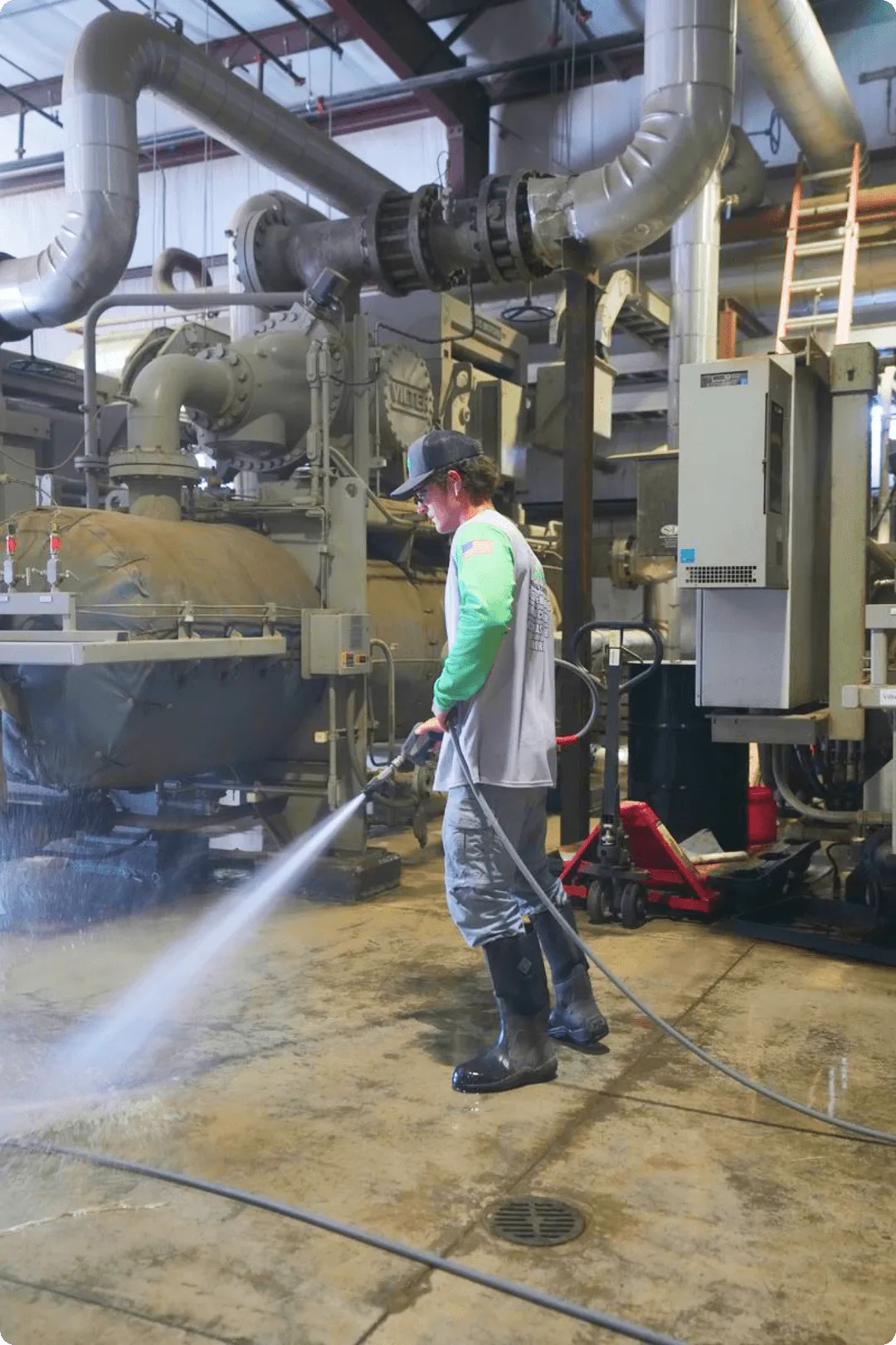
Patios and pool decks are some of the most useful outdoor areas around a home. They provide space for relaxing, entertaining guests, enjoying meals, and spending time near the pool. However, because these surfaces remain outside throughout the year, they are exposed to dirt, dust, leaves, rain, spills, algae, and everyday foot traffic. Over time, this buildup can make an outdoor area look dull and may create slippery spots in damp conditions. Patio and pool deck cleaning in Fort Worth can help remove accumulated dirt and keep these areas looking cleaner and more comfortable to use. With the right cleaning method, homeowners can maintain their outdoor spaces without putting unnecessary stress on the materials underneath.
Why Patio and Pool Deck Cleaning Matters
Patio and pool deck cleaning in Fort Worth is important because outdoor surfaces are constantly exposed to changing weather and regular use. Pool decks can become wet repeatedly, while patios may collect food, drink spills, soil, leaves, and other debris. Shaded areas can stay damp for longer periods, creating conditions where algae and mildew may develop. Dirt can also settle into textured surfaces and joints, making ordinary sweeping less effective. Regular cleaning helps remove this buildup before it becomes more difficult to manage. It can also make the outdoor area look more inviting and give homeowners an opportunity to inspect the surface for cracks, loose materials, damaged joints, or other maintenance concerns that may otherwise be hidden beneath dirt.
Common Causes of Patio and Pool Deck Dirt
Several everyday factors contribute to dirty patios and pool decks. Leaves and small branches can accumulate around furniture, landscaping, and pool equipment. Dust and soil may be carried onto the surface by wind, rain, pets, and foot traffic. Around pools, water can leave mineral deposits or other marks as it repeatedly evaporates. Food and beverages can also leave stains when outdoor spaces are used for meals or gatherings. In shaded areas, moisture can encourage organic growth, especially when drainage is poor. Understanding what is causing the buildup can help homeowners choose a more suitable cleaning method. Removing dirt is easier when the source of the problem is also considered as part of regular outdoor maintenance.
Cleaning Different Patio Materials
Patios are built from many different materials, and each one can require a different approach. Concrete is generally durable but can develop dark stains, oil marks, and organic buildup. Brick can collect dirt in its textured surface and mortar joints. Pavers may have sand between the joints that can be disturbed by excessive pressure. Natural stone can also require special care because certain stones are more sensitive to pressure and cleaning chemicals. Before cleaning, the material should be identified and inspected for cracks, loose sections, fading, or previous damage. Using the strongest available pressure is not always the best choice. A controlled method that matches the material can remove dirt while reducing the risk of surface damage.
Pool Decks Require Extra Attention
Pool decks have some cleaning concerns that are different from ordinary patios. They are frequently exposed to water, sunscreen, pool chemicals, dirt, and wet foot traffic. Textured surfaces may be designed to provide traction, but dirt and organic buildup can collect in those same textured areas. A neglected pool deck can therefore become more difficult to clean over time. Cleaning should be performed carefully so that the surface is not unnecessarily damaged or stripped. Areas around drains, steps, coping, and pool equipment should receive particular attention. Before cleaning begins, loose items and furniture should be moved away from the work area. The pool itself and nearby landscaping should also be protected from unnecessary overspray and cleaning products.
Removing Algae and Mildew
Algae and mildew can become noticeable on patios and pool decks where moisture remains for extended periods. These growths may appear as green, dark, or slippery-looking patches, particularly in shaded areas. Simply spraying the surface with water may remove some of the visible material but may not provide a thorough clean. An appropriate cleaning solution can sometimes help loosen organic buildup before the surface is washed. However, the product must be suitable for the material being cleaned. Excessive pressure can also damage surfaces while failing to address the underlying moisture problem. Homeowners should check drainage, shaded areas, leaking fixtures, and other sources of recurring moisture if organic growth continues to return after cleaning.
Why Regular Cleaning Is Better Than Waiting
It is usually easier to manage light buildup than a thick layer of dirt that has accumulated over months or years. When leaves, soil, algae, and stains remain on a patio or pool deck for long periods, they can become harder to remove. Regular cleaning helps prevent this buildup from becoming deeply established. It also gives homeowners a chance to notice small maintenance issues before they become more serious. For example, a cleaning session may reveal cracked concrete, loose pavers, damaged grout, or drainage problems. Addressing these issues early can make outdoor maintenance more manageable. The exact cleaning schedule depends on how often the area is used, the amount of shade, nearby vegetation, weather exposure, and the type of surface.
Pressure Washing for Patios and Pool Decks
Pressure washing can be an effective option for cleaning suitable patio and pool deck surfaces, but it should be performed with care. The correct pressure depends on the material and its condition. Concrete may tolerate more pressure than some types of natural stone or older surfaces. Pavers may require special attention because strong water pressure can disturb the material between joints. A surface cleaner can sometimes provide a more even result on larger hard surfaces. For stubborn stains, a suitable cleaning solution may be used before washing. The objective should be to remove dirt and stains without leaving pressure marks, damaging the surface, or affecting nearby landscaping.
Protecting Furniture and Landscaping
Outdoor furniture, plants, decorative items, lighting, and pool equipment may be located close to the areas being cleaned. These items should be moved or protected before washing begins. High-pressure water can move loose objects or damage delicate materials if they are left directly in the cleaning area. Plants can also be affected by cleaning products or excessive spray. Covering or relocating sensitive items can reduce the chance of accidental damage. It is also helpful to identify irrigation systems, electrical fixtures, drains, and other features that may need special care. Good preparation takes only a little time but can make the cleaning process safer and more organized.
Cleaning Around Pool Furniture and High-Traffic Areas
Areas around lounge chairs, tables, outdoor kitchens, and pool entrances often become dirtier than less frequently used sections of the deck. Furniture can prevent sunlight and airflow from reaching the surface, allowing moisture to remain underneath for longer periods. Sunscreen, food, drinks, and wet footprints can also create noticeable stains. These high-traffic areas may benefit from more frequent spot cleaning between deeper services. Moving furniture occasionally can also help homeowners inspect the surface for dirt and organic growth. When a full cleaning is needed, the area should be cleared so the entire surface can be treated evenly rather than leaving heavily used sections untouched.
How to Prepare for a Professional Cleaning
Preparing the patio or pool deck before a cleaning service arrives can make the work more efficient. Remove chairs, tables, umbrellas, toys, grills, decorations, and other loose items from the area. Make sure gates and access points are unlocked if the cleaning crew needs to reach the backyard through them. Homeowners should also point out known cracks, loose pavers, damaged surfaces, or areas where water tends to collect. If the property has delicate plants or sensitive outdoor equipment, those should be identified beforehand. Pets and children should remain away from the active work area during cleaning. Once the work is finished, allow the surface to dry properly before returning furniture or resuming normal use.
Common Cleaning Mistakes to Avoid
One of the most common mistakes is using too much pressure on a surface simply because it appears heavily stained. Excessive pressure can damage concrete, remove joint material, roughen certain surfaces, or affect protective coatings. Another mistake is using household chemicals without checking whether they are suitable for the patio or pool deck material. Some products can cause discoloration or damage nearby landscaping. Cleaning only the most visible stains can also create an uneven appearance because surrounding dirt remains untouched. Homeowners should also avoid ignoring drainage problems when algae and mildew repeatedly return. A thorough cleaning should be paired with basic maintenance to reduce the conditions that cause the buildup in the first place.
Maintaining a Cleaner Outdoor Space
Simple maintenance between professional cleanings can help patios and pool decks stay cleaner for longer. Sweep leaves and dirt regularly, especially after storms or windy weather. Wipe up food and drink spills before they have time to dry and become difficult stains. Keep drains clear so water can move away from the surface instead of creating standing puddles. Trim nearby vegetation when branches and leaves consistently cover the patio or deck. Pool owners should also monitor areas that stay wet for long periods. Patio and pool deck cleaning in Fort Worth can then be scheduled when regular sweeping and spot cleaning are no longer enough to keep the surface in good condition.
Choosing a Suitable Cleaning Service
When hiring a professional cleaner, homeowners should ask how the company handles different patio and pool deck materials. A provider should be able to explain its cleaning approach and adjust the pressure or cleaning products based on the surface. It is also useful to ask whether the company protects nearby landscaping, outdoor furniture, pool equipment, and other property features during the service. Clear communication about stains and problem areas can help the cleaner prepare for the job. Homeowners should also make sure the estimate explains what areas are included. Choosing a service based on careful work rather than simply the lowest price can help reduce the risk of damage and produce a more consistent result.
Conclusion
Patios and pool decks naturally collect dirt, stains, leaves, moisture, and organic growth because they are exposed to the outdoors and regular use. Keeping these surfaces clean can improve the appearance of the property and make outdoor spaces more pleasant to use. Patio and pool deck cleaning in Fort Worth can be part of a practical maintenance routine, especially when surfaces have accumulated stubborn buildup that ordinary sweeping cannot remove. The right cleaning method should always match the material and its condition. With regular care, proper preparation, and controlled cleaning, homeowners can keep patios and pool decks looking cleaner while protecting the surfaces for continued outdoor use.